

Pneumatic systems, which use compressed air to transmit and control energy, are integral to industries ranging from manufacturing to automation. The performance and reliability of these systems depend heavily on the components used, as they determine the efficiency, control, and longevity of the equipment. When properly chosen and maintained, pneumatic components can enhance the performance of any system, reducing downtime and ensuring consistent operation. Below are some of the top pneumatic components that play a critical role in optimizing system performance and reliability.
1. Compressor
At the heart of any pneumatic system is the compressor. It is responsible for generating the compressed air that drives the entire system. Compressors come in various types, including reciprocating, rotary screw, and centrifugal, each suitable for different applications. The compressor's efficiency directly impacts the system’s energy consumption and operational cost. By selecting the right compressor size and type for a specific application, businesses can significantly improve the performance of their pneumatic systems and reduce energy wastage.
2. Air Treatment Components
Compressed air can contain moisture, oil, and particulate matter, which can cause damage to pneumatic components, reduce system efficiency, and increase maintenance costs. Air treatment components, such as filters, regulators, and lubricators, are essential for ensuring the air entering the system is clean, dry, and at the correct pressure.
-
Filters remove dirt and debris, preventing them from contaminating valves, actuators, and other parts.
-
Regulators control air pressure, ensuring that the system operates within optimal limits, improving safety and energy efficiency.
-
Lubricators add controlled amounts of oil to the compressed air to keep internal parts of the pneumatic components lubricated, minimizing wear and tear and extending the lifespan of critical components.
Together, these air treatment components improve the reliability and efficiency of pneumatic systems by keeping contaminants at bay and maintaining proper operating conditions.
3. Pneumatic Valves
Pneumatic valves control the flow of compressed air within a system, determining the movement of actuators, cylinders, and other components. These valves come in various types, including directional control valves, pressure relief valves, and flow control valves.
-
Directional control valves regulate the direction of airflow, ensuring that air is directed to the correct actuator or component at the right time. This is crucial for controlling movements and actions within automated systems.
-
Pressure relief valves prevent over-pressurization, which can damage system components or pose safety risks.
-
Flow control valves regulate the speed of actuators, providing fine control over the movement and improving system efficiency.
Selecting high-quality pneumatic valves that suit the application ensures that air is precisely controlled, enhancing system performance and preventing faults.
4. Cylinders and Actuators
Pneumatic cylinders and actuators are the components responsible for converting the energy from compressed air into mechanical motion. These components are used to drive various mechanical actions, such as pushing, pulling, lifting, or rotating. Pneumatic cylinders come in different types, such as single-acting or double-acting, and are designed for a wide range of applications, from simple linear movements to more complex operations.
High-performance cylinders and actuators contribute to faster response times, greater precision, and enhanced reliability. Proper sizing and maintenance of these components help reduce wear and tear, improve energy efficiency, and extend the lifespan of the system.
5. Pressure Sensors and Transducers
To ensure optimal system performance, pressure sensors and transducers are used to monitor and regulate air pressure within the system. These components provide real-time feedback on the pressure levels in various parts of the system, allowing operators to detect issues such as pressure drops or inconsistencies. By integrating these sensors into a system, technicians can identify potential problems early, preventing system failures and minimizing downtime.
Additionally, pressure sensors allow for precise control of system pressure, ensuring that components operate within their designed limits, thus optimizing efficiency and reliability.
6. Air Hoses and Fittings
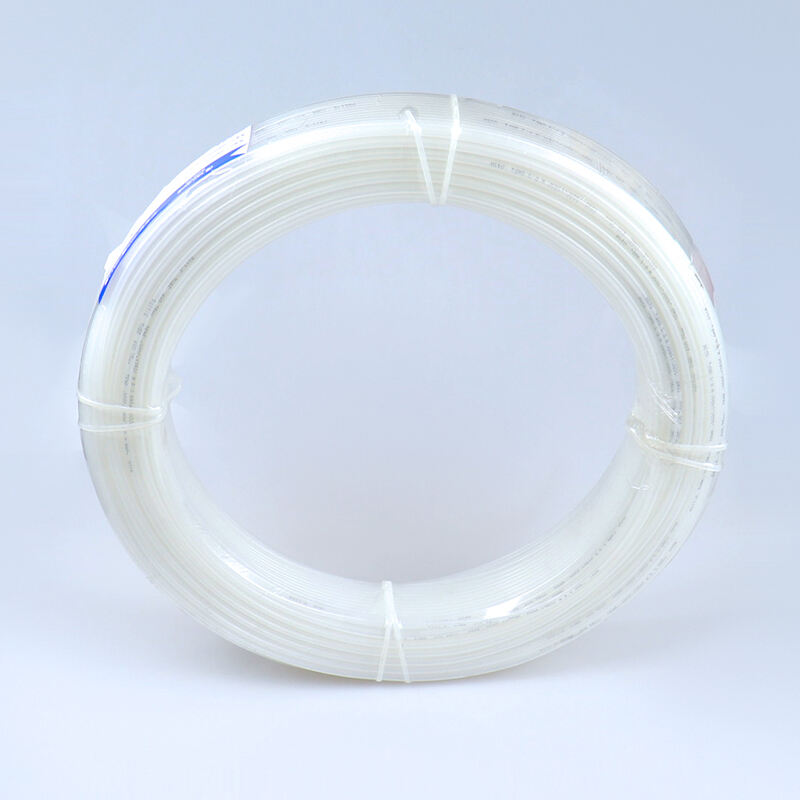
Though often overlooked, air hoses and fittings are essential for connecting the various Pneumatic Tubes and ensuring a smooth flow of compressed air throughout the system. High-quality hoses and fittings are designed to withstand high pressures, temperature variations, and wear from frequent movement. They must also be resistant to leaks, which can reduce system efficiency and increase operational costs.
Selecting the right materials for hoses and fittings ensures long-lasting durability, reduces maintenance needs, and supports the overall efficiency of the pneumatic system.
Conclusion
Pneumatic systems depend on the integration of a variety of components to function at their best. From compressors and air treatment devices to cylinders, valves, and pressure sensors, each part plays a pivotal role in system performance and reliability. By choosing the right components, maintaining them properly, and optimizing their use, industries can improve operational efficiency, reduce downtime, and enhance the lifespan of their pneumatic systems. Careful attention to component selection and system integration is key to achieving optimal performance and reliability in pneumatic applications.